


Are Cataracts Caused by Diabetes?
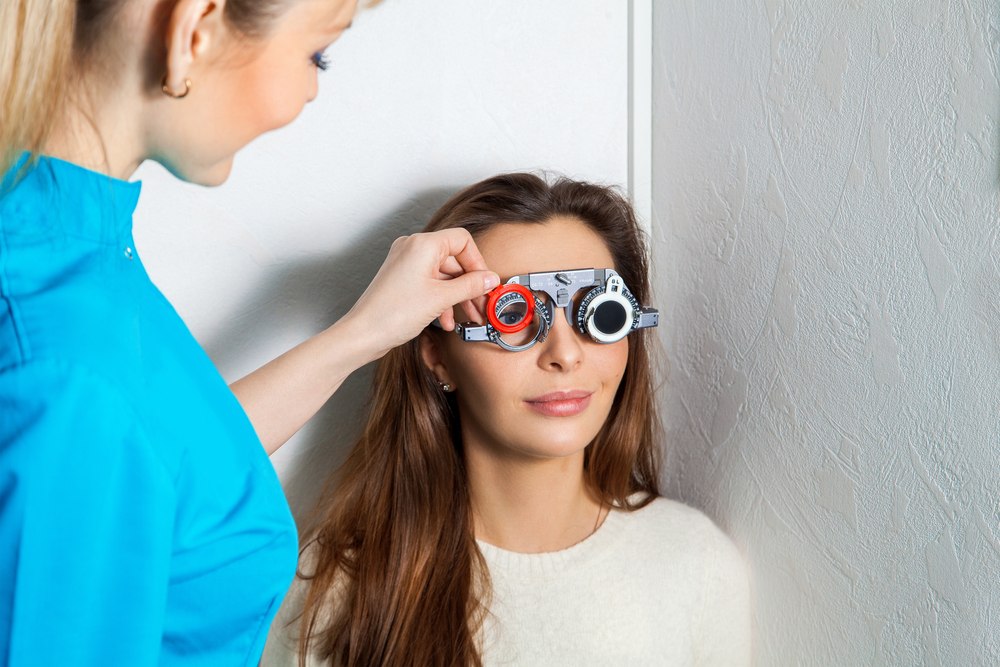
Cataracts develop slowly, almost like a subtle fog settling over the lens of the eye. For many adults, they are a natural part of aging. But when diabetes enters the picture, that fog can thicken more quickly. Understanding the connection between diabetes and cataracts can help you stay ahead of changes to your vision and protect your long-term eye health.
What Causes Cataracts?
A cataract forms when the clear lens inside the eye becomes clouded. This clouding happens for several reasons:
• Protein breakdown in the lens: Over time, proteins within the lens clump together, interfering with clarity.
• Oxidative stress: The lens is constantly exposed to light and oxygen, and this natural exposure creates oxidative changes that contribute to cataract formation.
• Aging: Most cataracts form gradually with age, often beginning in our 40s or 50s, though vision changes may not become noticeable until later.
While aging is the most common cause, certain factors can speed up or increase cataract risk, including smoking, excessive UV exposure, long-term steroid use, and diabetes.
How Diabetes Increases the Risk of Cataracts
Diabetes affects the body in many ways, and the eyes are no exception. Elevated blood sugar levels can alter the structure of the lens and accelerate cataract formation.
Here’s how diabetes plays a role:
• Sugar accumulation in the lens: High glucose levels cause the lens to absorb more sugar, which converts to sorbitol. Sorbitol buildup leads to swelling, lens distortion, and clouding.
• Oxidative damage: Diabetes increases oxidative stress, which can weaken the lens and cause cataracts to appear earlier in life.
• Faster progression: Not only are cataracts more common in people with diabetes—they also tend to progress more rapidly.
Diabetes doesn’t guarantee cataracts, but it does increase the likelihood and often speeds up their development.
Why Routine Eye Exams Matter for Early Detection
Cataracts develop slowly and often silently. Early on, you may notice only mild blur, glare at night, or fading colors. With diabetes in the picture, it becomes even more important to monitor eye health regularly.
Routine eye exams allow your eye doctor to:
• Detect cataracts in the earliest stages
• Monitor changes in the lens over time
• Identify other diabetes-related eye conditions, such as diabetic retinopathy or glaucoma
• Recommend timely treatment to preserve clear, comfortable vision
Many vision changes related to diabetes can be managed effectively when caught early. Regular eye exams give you the best chance of protecting your sight.
Schedule a Cataract Evaluation at Envision Eye Care
Cataracts aren’t exclusively caused by diabetes, but diabetes significantly increases the risk and can speed up their progression. Understanding this connection empowers you to take steps that support your long-term vision - whether through blood sugar management, UV protection, or regular comprehensive eye exams at Envision Eye Care.
If you have diabetes or noticing changes in your vision, schedule an eye exam at Envision Eye Care to stay ahead of cataracts. Call our Virginia offices in Marion at (276) 262-6546, Cedar Bluff at (276) 262-6668, or Abingdon at (276) 566-5478. For our Tennessee offices, call Bristol at (423) 427-2917 or Gray at (423) 264-2544 to book your appointment.

All Eye
Care Services

Keep
In Touch

Powered by
